This confusion is understandable because drainage problems sit at the intersection of several trades. Water touches plumbing. Yards touch landscaping. Foundations touch structural work. But those trades do not solve the same kinds of water movement. Calling the wrong one does not just cost a service fee. It often leads to partial fixes, misdiagnosis, and months of delay while the real problem keeps damaging the property.
The fastest way to make the right call is to stop thinking first about the wet spot and start thinking about the water itself. Where did it come from? How is it moving? What is it threatening? Once those questions are answered, the right professional is usually much easier to identify.
Understanding the Confusion
Residential water problems are confusing because the symptoms overlap. A wet basement floor might be caused by a burst water line, groundwater pressure, a failing window well, roof water dumping at the foundation, or condensation from HVAC equipment. A soggy yard might be caused by poor grading, an irrigation leak, runoff from a neighbor, or saturated clay that never fully drains. To the homeowner, the result just looks wet.
Each trade sees that wetness through a different lens. A plumber thinks in terms of pressurized water lines, drain lines, fixtures, and sewer systems. A landscaper thinks in terms of grading, planting, turf health, and surface appearance. A drainage specialist thinks in terms of hydrostatic pressure, subsurface movement, discharge elevation, and how water is interacting with the structure itself.
None of these viewpoints is wrong. They are simply different. Trouble starts when a contractor applies the wrong lens to the wrong problem. A plumber may confirm that the pipes are fine but still leave the homeowner with groundwater entering at the footing. A landscaper may improve appearance without addressing foundation pressure. A general handyman may install pipe in the ground without ever proving the water has a functional discharge path.
Start With the Water Source
Before you call anyone, take a few minutes to identify the character of the water. If the water is clean, constant, and unrelated to rain, irrigation, or seasonal conditions, plumbing is immediately more likely. If it smells like sewage or backs up through interior drains, that is also plumber territory. If the issue appears only during storms, after heavy watering, or when the canals turn on, the odds shift toward drainage.
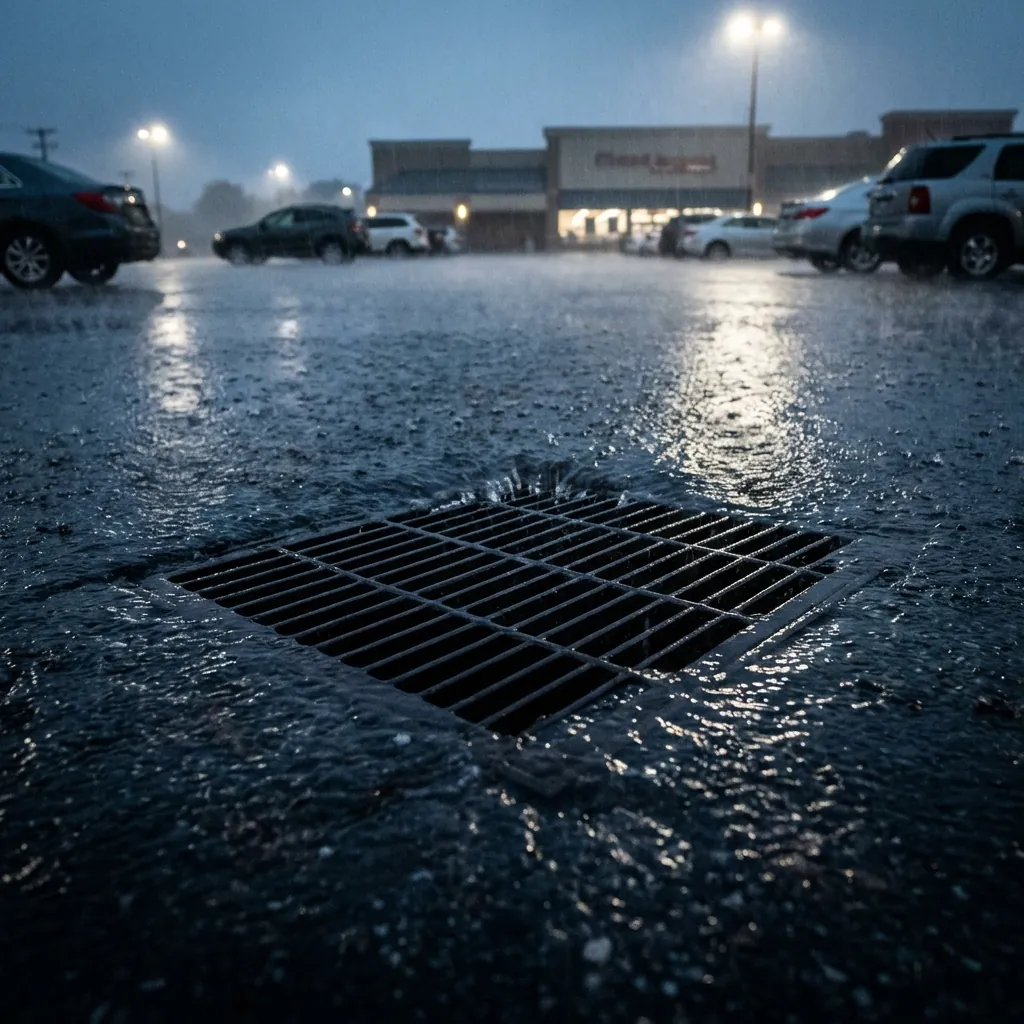
Timing is one of the best clues. Water that appears during rain events, after snowmelt, or when the ground stays saturated for days usually points to site drainage or groundwater. Water that arrives the same way every time a specific fixture runs, or continues even during dry weather, points more strongly to supply or waste piping. In Boise, this distinction matters because irrigation season changes subsurface conditions in ways many homeowners do not expect. A basement can take on water in a dry-looking week simply because groundwater has risen below grade.
Visual details matter too. Efflorescence on concrete walls, dampness at the wall-floor joint, persistent mud in a side yard, and moisture coming up through slab cracks all suggest water is interacting with soil and structure, not simply leaking from a pressurized pipe. Standing water under a sink or behind a washing machine is a very different category of problem.
When to Call a Plumber
Call a plumber when the water problem originates inside a pipe system. That includes broken supply lines, leaking shutoff valves, failed water heaters, damaged drain lines, sewer backups, fixture leaks, and unexplained water use that suggests a hidden plumbing failure. If the water keeps showing up regardless of weather, a plumber should be high on your list.
Plumbers are also the right call when the symptom is tied to how the home uses water. If the basement takes on water only when the washing machine drains, if a bathroom backs up into a lower level, or if the water smells foul and appears through floor drains, you are dealing with plumbing or sewer infrastructure. Those are specialized systems with codes, tools, and repair methods that sit squarely within the plumbing trade.
What plumbers generally do not handle is site drainage around the house. They are not usually the trade you call to regrade a yard, install an exterior French drain, diagnose hydrostatic pressure on a retaining wall, or design an interceptor drain uphill of a foothills property. A good plumber will usually say that clearly once they determine the water is not coming from the home’s internal piping.
When to Call a Landscaper
Landscapers are most useful when the problem is primarily about surface conditions and outdoor finish work. If you need minor regrading of a lawn, restoration after drainage work, a dry creek bed for shallow overland flow, replacement sod, or planting plans for an area that stays slightly wetter than the rest of the yard, a qualified landscaper may be the right first call.
They are also helpful when appearance and water management need to be balanced together. For example, a homeowner may want a swale that moves water effectively but still looks integrated into the yard. Or they may need planting and finish work after a drain installation. In those cases, a landscaper can play a valuable role in the solution.
Where homeowners need to be careful is assuming that every “landscape drain” is a true drainage solution. We see many Boise properties where black corrugated pipe was buried shallowly by a landscape crew without proper slope, filtration, or discharge planning. The yard may look tidy afterward, but the system often crushes, clogs, or simply never captures the correct water. Landscapers are excellent at many outdoor tasks, but foundation protection and subsurface water engineering are not automatic strengths just because the work happens in the yard.
When to Call a Drainage Specialist
Call a drainage specialist when water is acting on your home or property through the soil, the grade, or the structure itself. That includes wet basements, crawl space water, persistent yard saturation, hydrostatic pressure on retaining walls, footing-level seepage, negative grading, discharge failures, and water intrusion that appears during rain or irrigation cycles.
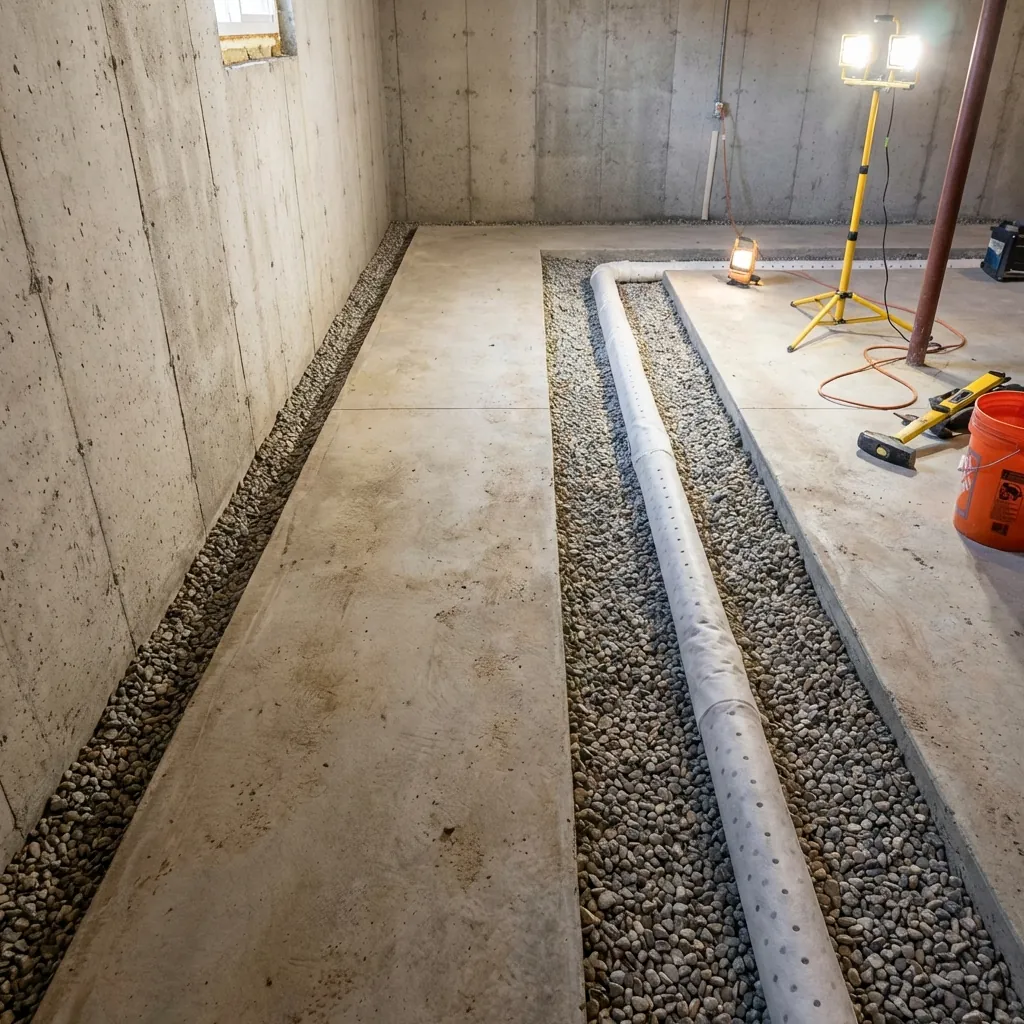
Drainage specialists work in the space between landscaping and plumbing. We diagnose how water moves across the surface, through the soil, and around the foundation. We look at whether the real solution is grading, a catch basin, a French drain, a dry well, an interior perimeter drain, a sump system, crawl space drainage, or some combination of those systems. The point is not just to move water. The point is to move the right water at the right elevation to a discharge location that actually protects the house.
This is especially important in Boise because local conditions are deceptive. Clay-heavy soils, flat subdivision lots, irrigation canals, river-adjacent neighborhoods, and foothills runoff all create water behavior that is not obvious from a quick walk-through. A drainage specialist is the trade that should be asking whether the water is surface runoff, perched water, groundwater rise, roof concentration, neighbor runoff, or a stacked combination of several of those factors.
The Cost of Calling Wrong
The wrong call is expensive because it wastes time at the exact moment homeowners want speed. A plumber may confirm there is no pipe leak and leave. A landscaper may rework a wet area cosmetically while the water source remains. A handyman may extend a downspout when the true issue is groundwater at the footing. None of those actions are always wrong, but they become costly when they are treated as the final answer without a correct diagnosis.
We routinely see Boise homeowners who have already paid for multiple partial fixes before reaching the right trade. They may have replaced a sump pump even though the exterior grade is funneling roof water toward the home. They may have added decorative rock and buried pipe in a side yard even though the discharge point sits too high to work by gravity. By the time they call for a drainage assessment, the real problem has been active for another season or two.
The larger cost is damage progression. Moisture does not stay in one category for long. A wet yard becomes foundation pressure. A damp crawl space becomes indoor air quality issues. A minor retaining wall drainage problem becomes movement. The right first call can save not only service fees but also the much bigger repair costs that come from waiting on the wrong diagnosis.
Questions to Ask Before You Hire
No matter which trade you think you need, ask a few questions that reveal whether the contractor truly understands the problem category. Ask where they believe the water is coming from. Ask what discharge path they are planning to use. Ask whether the issue is surface water, plumbing water, or subsurface moisture. Ask what part of the home or site they believe is most at risk if nothing is done.
If the answer is vague, overly generic, or focused only on the visible symptom, keep digging. A contractor should be able to explain the logic of the recommendation, not just the product they want to install. In drainage especially, a proposal without a clear water-path explanation is a red flag because buried systems are hard for homeowners to evaluate after the fact.
It is also fair to ask about materials, restoration, and warranty. If a contractor says they are installing a drain, ask what type of pipe, what filtration method, and how the system will be restored and documented. If the recommendation is plumbing-related, ask how they will confirm the leak source. Good professionals welcome those questions because the scope should be defensible.
The Boise Decision Framework
If you want the simplest Boise-specific framework, use this: if the water is in a pipe, call a plumber. If the issue is mostly cosmetic and on the surface, a landscaper may be helpful. If the water is in the ground, against the foundation, below the slab, or threatening structural components, call a drainage specialist.
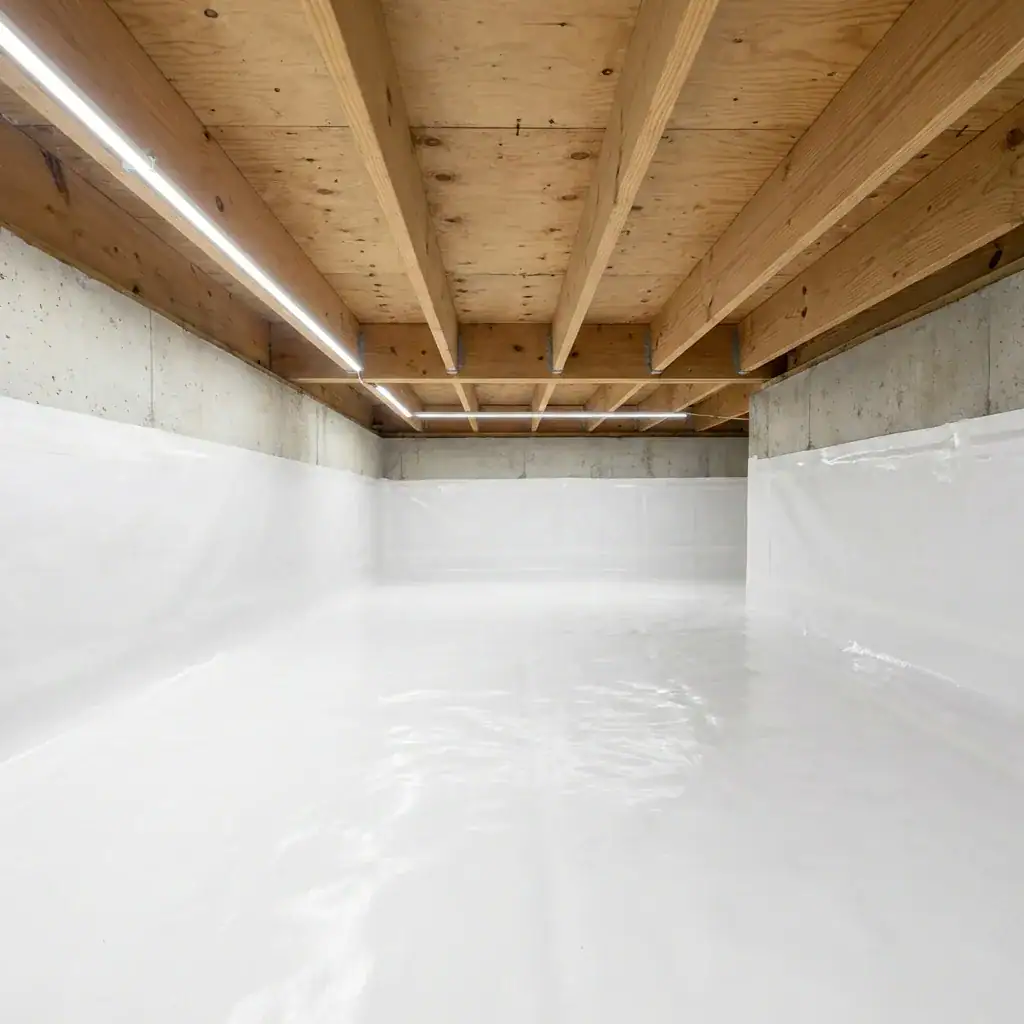
There are edge cases, and that is normal. An irrigation leak may require a plumber or irrigation specialist first and a landscaper later for restoration. A wet crawl space may require a drainage specialist and then an encapsulation plan. A flooded commercial sidewalk may involve both drainage design and concrete repair. The trades can overlap, but the order should still be based on source, not guesswork.
If you are ever in doubt, take photos before cleanup and make note of the timing, smell, location, and recent weather. That information makes the first call more productive regardless of which trade you choose. The clearer the symptom history, the faster the right professional can confirm whether the issue belongs to plumbing, grading, or true drainage work.
That small amount of preparation often saves an entire extra appointment. Instead of paying one contractor to rule out a category and another to solve the real issue, homeowners arrive at the right conversation faster and with better evidence.
And when water is active, faster diagnosis usually means less damage.
It also means less time living with uncertainty about who should solve it.
For Treasure Valley homeowners, the best first step is to resist the urge to call the first trade that sounds related to water. Pause long enough to identify whether the water belongs to the plumbing system, the yard surface, or the soil around the structure. That one distinction prevents a huge amount of wasted effort. When the right trade starts with the right diagnosis, the solution gets faster, the cost gets clearer, and the house gets protected instead of just temporarily dried out.