Why This Issue Is Common in Boise and the Treasure Valley
Several local conditions combine to make drainage behavior less predictable than homeowners expect:
In Treasure Valley homes, structural symptoms often follow years of unmanaged perimeter moisture.
Irrigation-heavy landscapes can keep one side of a foundation wetter than the other.
Early signs are often subtle and mistaken for “normal house movement.”
In practical terms, that means a yard can look fine for months and then suddenly show persistent pooling, perimeter wetting, or under-floor humidity once seasonal conditions shift. Professional drainage inspections can help identify these patterns before they become structural problems.
How the Problem Usually Starts
Most homeowners first notice this issue as an inconvenience rather than a risk event. Common first symptoms include:
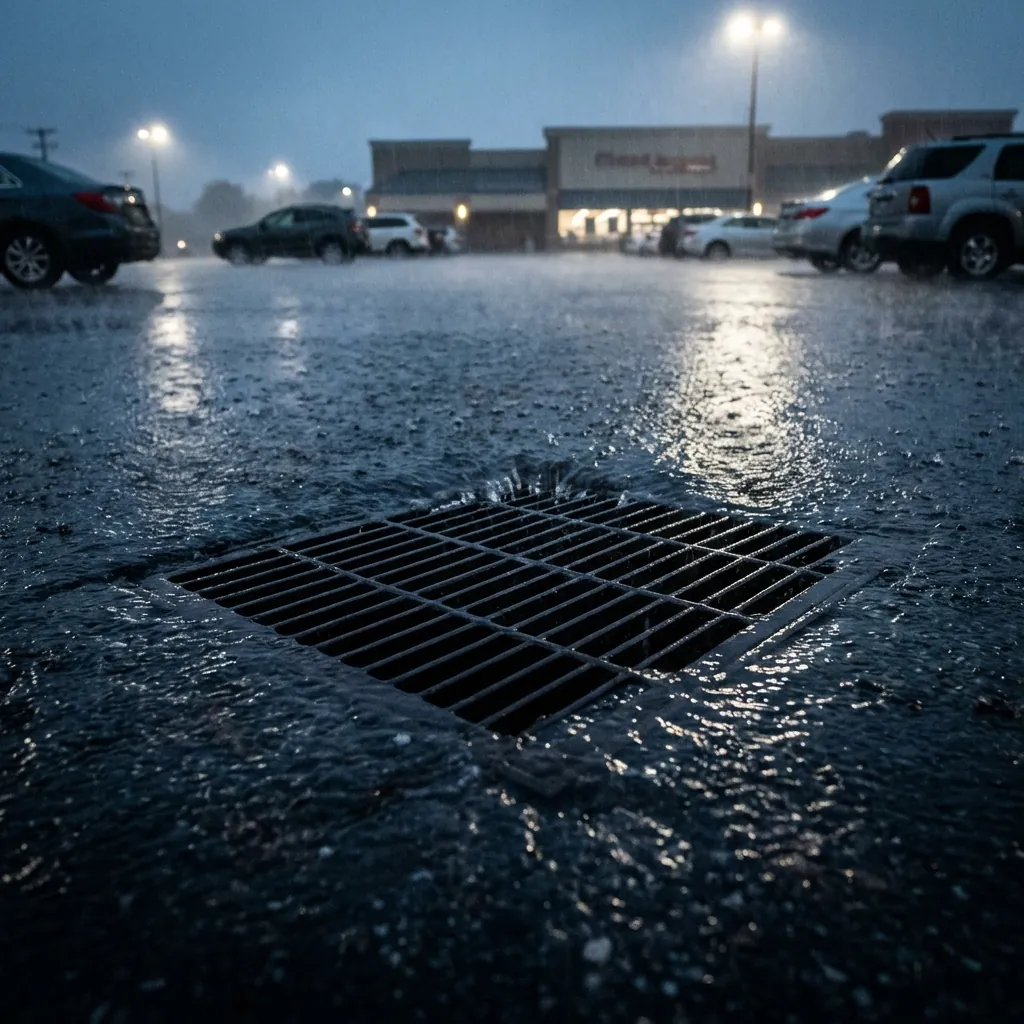
Recurring wet spots in the same location
Moisture persistence after irrigation or small weather events
Water movement toward patios, walkways, or foundation edges
Musty smell near crawlspace entries or lower-level rooms
A key mistake is treating each symptom as separate. In reality, these are often linked by one root cause: unmanaged water routing.
Root Causes Behind This Boise Drainage Problem
1. Uneven Perimeter Wetting
Localized moisture changes can create differential movement and stress in walls and slabs.
2. Loss of Bearing Support From Saturated Soils
Persistent wetting can reduce soil strength, increasing settlement potential.
3. Repeated Freeze-Thaw and Shrink-Swell Cycles
Seasonal expansion and contraction amplify long-term structural strain.
Why Waiting Increases Risk and Cost
Drainage problems are cumulative. Repeated wetting cycles can affect more than landscaping:
They can increase moisture around footing soils and perimeter walls.
They can accelerate settlement-related symptoms such as crack growth or sticking doors.
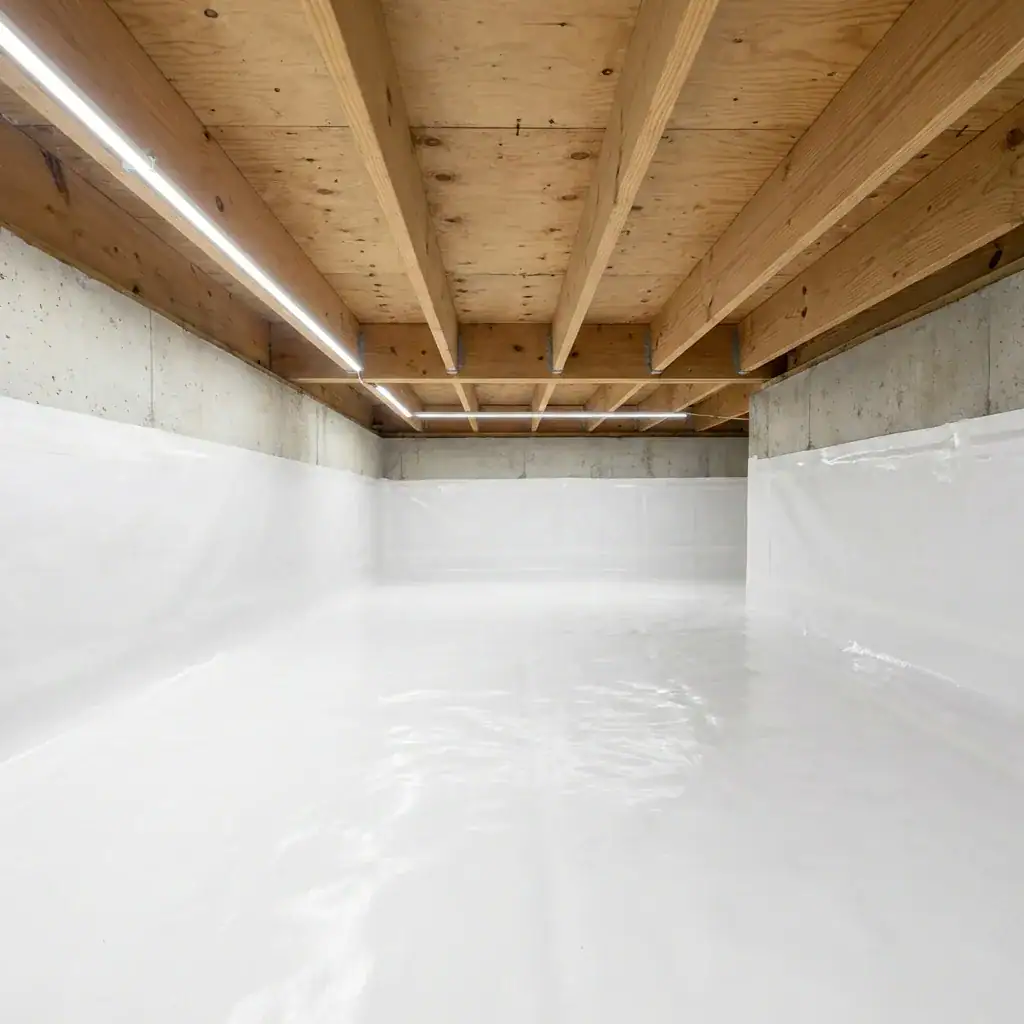
They can raise crawlspace humidity, insulation deterioration, and air quality concerns.
When homeowners act early, repairs are usually simpler and more targeted. When they wait, corrections often expand from “yard issue” to “yard + foundation + crawlspace” scope.
Solutions That Actually Work in Idaho Conditions
1. Track Symptom Patterns With Moisture Context
Crack mapping plus drainage observations provides clearer root-cause insight.
In Boise and the broader Treasure Valley, this works best when the correction is verified with a water test after installation rather than assumed to be correct based on appearance.
2. Stabilize Site Drainage Promptly
Stopping ongoing water loading is critical before making cosmetic-only repairs.
In Boise and the broader Treasure Valley, this works best when the correction is verified with a water test after installation rather than assumed to be correct based on appearance.
3. Use Integrated Structural and Drainage Planning
Durable outcomes come from repairing structure and managing moisture together.
In Boise and the broader Treasure Valley, this works best when the correction is verified with a water test after installation rather than assumed to be correct based on appearance.
DIY Checks Homeowners Can Do First
Before committing to larger work, homeowners can run a basic field check:
1. Photograph the same problem area during watering and 1 to 3 hours later.
2. Check downspout outlets and confirm they are not discharging near low-grade perimeter zones.
3. Review irrigation runtime by zone and compare against visible runoff behavior.
4. Note whether symptoms are worse in spring melt, irrigation season, or after freeze-thaw transitions.
These steps help clarify whether you are dealing with a minor adjustment issue or a true drainage design problem.
What a Professional Drainage Inspection Should Include
A quality inspection from Idaho Drainage & Foundation Repair should provide:
Source-water identification (irrigation, runoff, subsurface, roof discharge, or mixed)
Grade and flow-path mapping around structures and hardscapes
Risk ranking for yard, crawlspace, basement, and foundation impact
Clear solution options with tradeoffs, sequencing, and expected outcomes
Professional drainage inspections can help identify these issues before they cause structural damage.
Final Takeaway for Treasure Valley Homeowners
Signs Water Around Your Foundation Is Causing Structural Damage is rarely solved by a single “quick fix.” In Boise and the surrounding service area, durable results come from matching the solution to the actual source water, soil behavior, and discharge limits of the property.
If symptoms are recurring, the most cost-effective next step is a professional drainage inspection with Idaho Drainage & Foundation Repair. The goal is not just to remove standing water today, but to protect your foundation, crawlspace, and long-term property value.