First Ten Minutes
Cut power to any affected area at the breaker. Standing water plus powered outlets, extension cords, sump pumps, or major appliances is a real shock risk. If the breaker panel is in the affected area and you cannot safely reach it, call the utility: do not wade to the panel.
Identify where the water is coming from. Look at the wall-floor joint along every perimeter wall. Look at window wells from the inside. Look at any penetration point: pipes entering through the wall, the sump pit if you have one, the floor drain. The goal in the first ten minutes is not to fix the source, it is to know which wall or feature to protect first.
Move what you can move. Electronics, boxes of paper, books, upholstered furniture, anything that wicks water. Even a few inches of elevation on concrete blocks, plastic bins, or a plastic drop cloth under the legs of furniture dramatically reduces loss.
Start removing standing water. A wet/dry shop vac is the best tool; a mop and bucket is the second best; towels are the third best. Move aggressively on the water that is already there while you figure out the inflow.
First Hour
Run your sump pump if you have one and it is not already running. If the pump is not running during active flooding, it has failed, is unplugged, or the float is stuck. Check the plug first. Check the breaker second. If the pit is full and the pump is silent, it has almost certainly failed and you will need a backup or a professional.
Kill interior humidity. Open basement doors to the main floor to let air circulate. If you have a dehumidifier, start it. If you do not, a couple of box fans pointed at the wet areas dramatically slow secondary damage.
Cut carpet pad away from affected carpet if possible. Carpet itself can often be salvaged. Carpet pad absorbs water like a sponge, holds it for days, and is the single largest contributor to mold in post-flood basements. Cutting it loose from the carpet and removing it in the first hour is one of the highest-leverage interventions.
Protect the drywall. Baseboards soak water up the wall fast. If you have an inch or more of water that has been in contact with drywall for more than ten minutes, the drywall above the water line is already wicking moisture. Pulling baseboard and scoring a horizontal cut one to two feet up the wall, before the drywall has been soaked all the way up, allows air circulation behind the wall and prevents the problem from reaching further up. This is aggressive but it is the right call if you cannot get professional water mitigation quickly.
Document everything. Phone photos and video. Time-stamped. Wide shots and close shots. You will need these for insurance, for any professional assessment, and for your own memory of what you were dealing with.
First Day
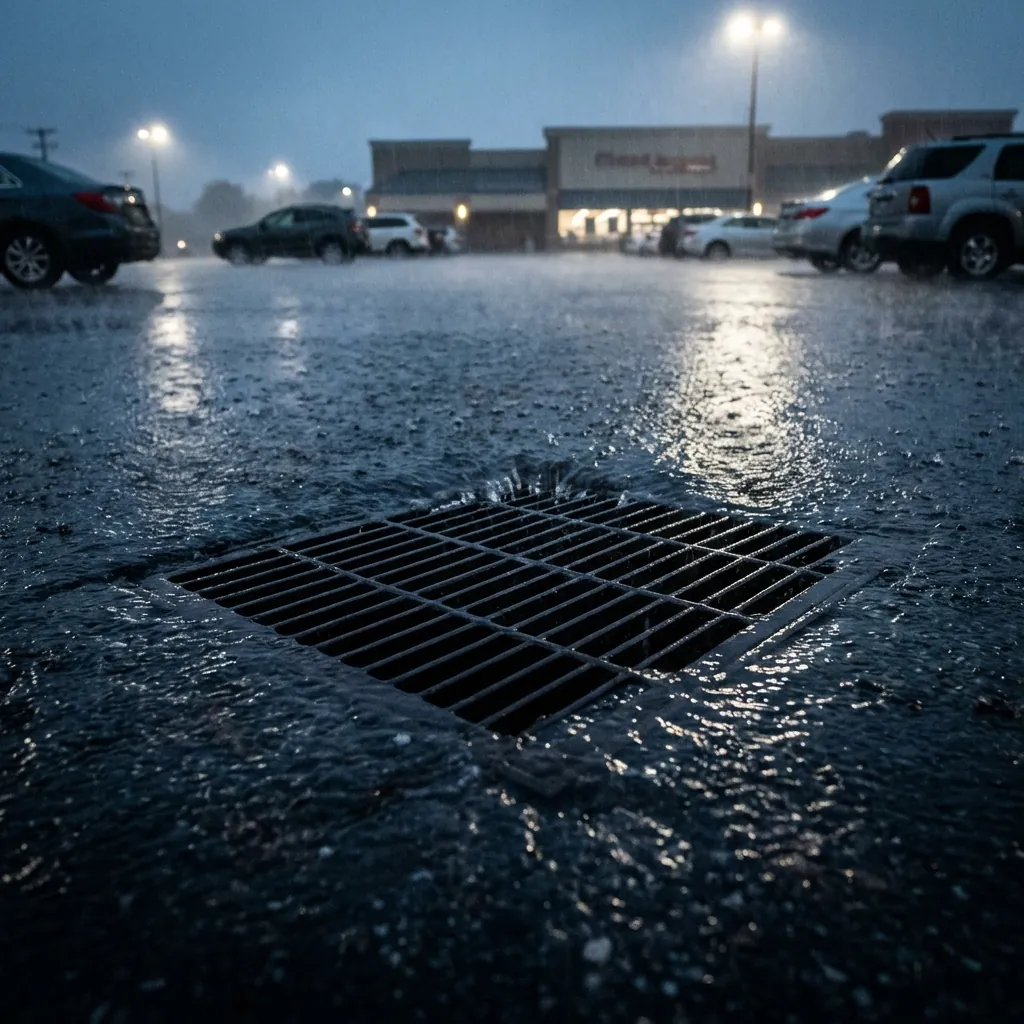
Stabilize the source before focusing on cleanup. If the source was a storm-driven surface water event (the most common pattern in Treasure Valley basements during a spring like 2026), the cleanup will be pointless if the next rain produces the same flood. Walk the exterior of the home and identify where water is currently approaching the foundation. Downspouts, window wells, low grading, and any visible runoff pathway are the usual culprits.
Get downspouts extended away from the house. Even temporary extensions, flexible corrugated pipe laid across the grass, significantly reduce the risk of re-flooding during the next event. This is the single highest-impact thing a homeowner can do in the first 24 hours. Our downspout drainage extension page covers permanent options.
Clear window wells and verify covers. Debris in window wells is one of the most common hidden contributors to basement flooding during spring storms. Clean the wells. If covers are missing or damaged, cover the well temporarily: a plywood sheet weighted with bricks works for a few days while you source a proper cover.
Check the yard for obvious water pathways. Mulch migration, bare soil tracks, or surface erosion show you exactly where water is currently running. That information is gold when you bring in a professional: it shortens diagnosis from half a day to fifteen minutes.
Decide whether to call for professional water mitigation. If any of the following are true, call now: the water has been in the basement longer than 24 hours, carpet pad has not been removed, drywall has been wet along its full baseboard for more than a day, or you are smelling any mustiness at all. Mold colonization in Boise basements typically begins within 48 to 72 hours of sustained moisture, and after it starts the cleanup cost multiplies.
Identifying the Source Category
Most Boise basement flooding falls into one of four categories, and the right long-term fix is completely different for each. A rough field diagnosis in the first day saves a lot of wasted money.
Surface Water Intrusion
Water entered from above grade through a window well, a walkout door, a cove joint adjacent to a failed exterior pathway, or an exterior crack. This is the most common category during storm events and is what the 2026 April storms have been producing. The fix is exterior, grading, downspouts, yard drainage. See our foundation leak repair overview for the workflow.
Hydrostatic Pressure Groundwater
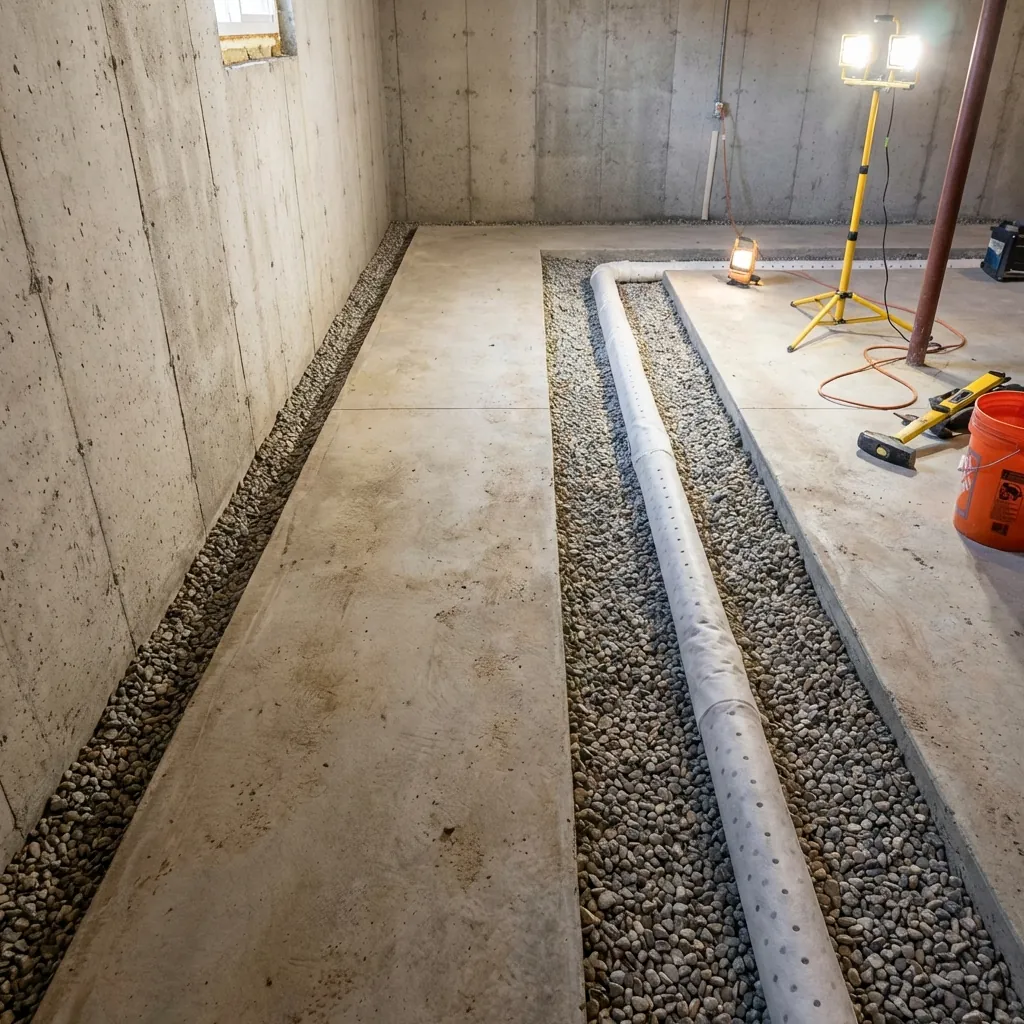
Water is entering from below through the cove joint, up through floor cracks, or through the floor-wall seam during sustained wet conditions. The fix is usually interior perimeter drainage to a sump plus exterior pressure reduction.
Plumbing Failure
A supply line, drain line, or water heater failure is producing the water. Source is almost always visible as a continuous trickle or stream rather than a spread puddle. Shut off the responsible supply valve and call a plumber. This is not a drainage scope.
Sewer Backup
Water coming up through the floor drain or toilet, usually with associated sewage. Treat as a biohazard, do not clean yourself, and call a plumber and a professional mitigation company. This is the most urgent category because health risk is immediate.
What Not to Do
Do not use bleach for mold prevention on porous materials. Bleach does not penetrate porous surfaces and can make the problem worse by adding moisture. Remove the wet material instead.
Do not over-run dehumidifiers in a sealed space without a drain. Dehumidifiers fill their tanks fast during active flooding. An unattended full dehumidifier is contributing water, not removing it.
Do not turn the HVAC back on in an affected basement until water is fully mitigated. Running the blower spreads any mold spores or humidity through the entire home ductwork.
Do not defer the source diagnosis. It is tempting to focus only on cleanup and postpone figuring out why the flood happened. Every basement that floods without a source fix is going to flood again, and the second event is always worse because the materials are already compromised.
Do not accept a scope that only fixes the inside. Any drainage contractor or waterproofer who writes a scope without walking your yard and identifying the exterior pathway is only fixing half the problem. The interior is where you saw the water. The exterior is where the water came from.
When to Call a Professional
Some basement flooding situations are manageable with homeowner effort, a shop vac, and a day of cleanup. Others require professional intervention from the first hour. Call now if:
There is more than an inch of standing water across a meaningful area
Water has been present for more than 24 hours
You are smelling mustiness or mold
The flooding is recurring. This is not the first time
Drywall is wet above baseboard height
The source is not clearly identifiable
Finished flooring, cabinetry, or built-ins are affected
You are not sure whether it is surface water, groundwater, or sewer
For an active Boise basement situation where the flooding is ongoing or the source is unclear, contact us and we will prioritize diagnostic response. For the broader context on why 2026 has been an unusual year for basement flooding calls, our 2026 drought-to-downpour analysis covers the specific conditions producing this April’s call volume.
The single most important sentence in this entire guide: in active basement flooding, the diagnosis of where the water is coming from is more valuable than any single repair. Fix the source, then clean up. Not the other way around.