
Yard Drainage, Exterior Drainage, and Runoff Control in Boise
Yard drainage in Boise with French drains, grading, catch basins, and runoff control. Fix standing water, protect foundations, and dry soggy lawns faster.
Yard Drainage Systems That Keep Water Off the Foundation
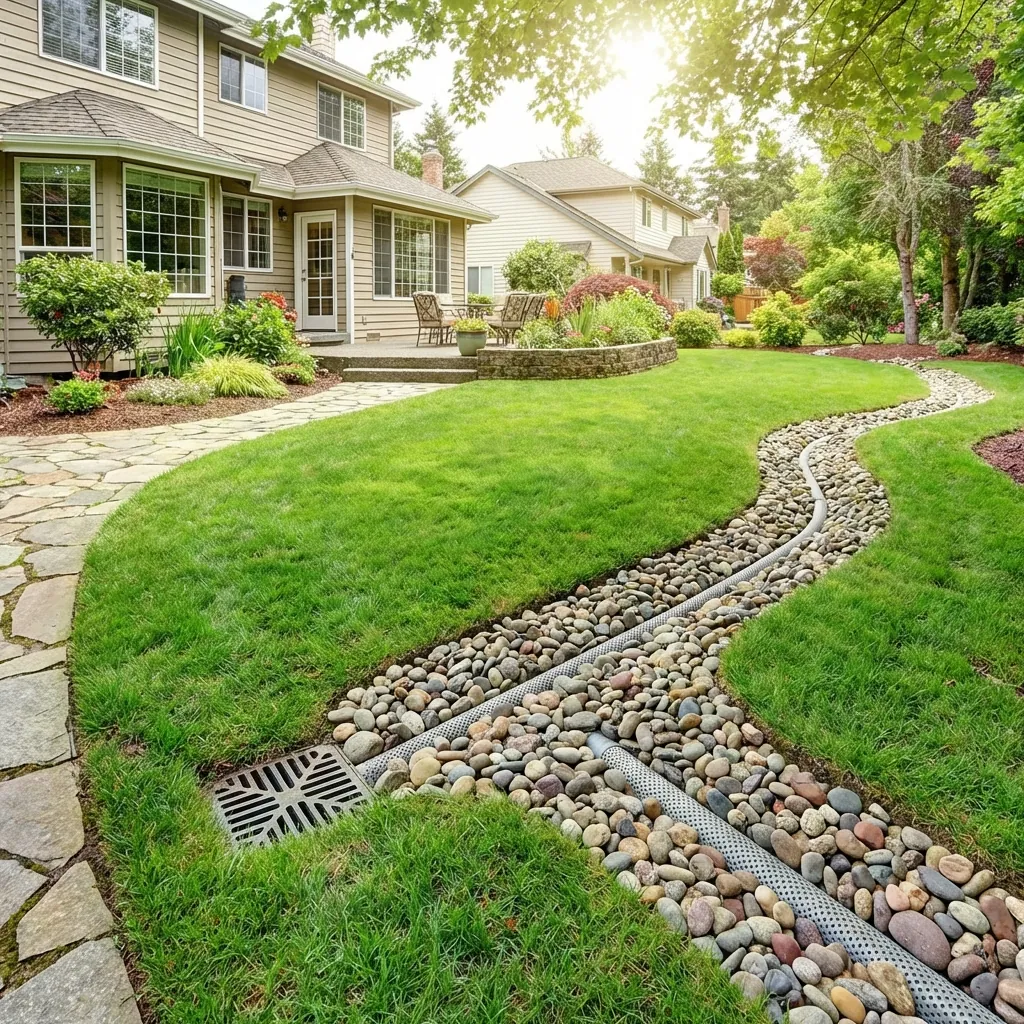
Exterior drainage is where most foundation and crawl-space problems begin or end. If runoff is allowed to pond near the structure, moisture load builds in the same soils that support your home. If you are asking who to call for drainage problems in your yard, the answer is a drainage contractor who can diagnose grade, runoff, discharge, and foundation loading together. Our yard drainage work is designed to intercept, move, and discharge water in a controlled way so the property dries faster and the foundation zone stays more stable.
Why Yard Drainage Fails in the Treasure Valley
Many Boise-area lots combine low slope, heavy clay behavior, and irrigation-driven moisture loading. Clay-rich soils tend to absorb water slowly, so even moderate precipitation or sprinkler cycles can create long-lived saturation zones. In newer subdivisions built on leveled sites, subtle grade errors can trap water near patios, side yards, and foundation edges.
Downspout discharge is another common issue. Roof water that exits too close to the home concentrates flow where you least want it. Over time that increases the chance of crawl-space seepage, basement pressure, and localized settlement around footing zones.
Public references for local water-management context include City of Boise drainage resources and Idaho DEQ stormwater guidance.
Who To Call for Yard Drainage Problems
For standing water, soggy lawn sections, runoff crossing patios, or water collecting near the foundation, you usually need a property-drainage specialist rather than a plumbing drain cleaner. Plumbers handle sewer and interior drain piping. Landscapers can improve appearance. A drainage contractor diagnoses how water is moving across and below the lot, then builds the right collection and discharge system.
That matters because yard drainage problems are often connected to crawl-space moisture, basement seepage, or settlement risk. Fixing the wet spot without fixing the flow path is why so many homeowners end up paying twice.
Boise Lot Types and Drainage Patterns We Commonly See
Older Boise properties often have years of grade drift, additions, patio changes, or downspout reroutes that slowly redirect water toward the home. Newer subdivision lots can look clean but still trap runoff because small settlement changes flatten the intended slope after the first irrigation seasons. Foothill-adjacent lots add another layer because slope-driven water can move both across and below the surface.
Those different lot types require different solutions. Some need French drains because the problem is subsurface saturation. Some need channel drains because the failure is fast-moving surface runoff. Others need grading or downspout correction first because the water is being delivered to the wrong place before any drain can work well.
How We Choose Between French Drains, Catch Basins, and Grading
We begin with water-path diagnosis. That includes identifying where runoff starts, where it concentrates, how long ponding persists, and which areas are loading the structure. From there we build a combination strategy rather than forcing every property into one drain type.
Typical solutions may include subsurface interception with French drains, concentrated surface collection with channel drains or catch basins, and roof-water routing improvements through downspout drainage extensions. Where grading is the root issue, we include corrective slope work so the site naturally moves water away from the structure.
Discharge Planning: Where the Water Ends Up Matters
Collection without proper discharge just moves the problem to another location. We design discharge pathways to keep water away from foundation zones and avoid recirculation. Depending on site geometry and local constraints, that can mean pop-up emitters at safe low points, dry-well strategies, or approved connections where municipal conditions allow.
In freeze-prone periods, we also account for winter behavior so systems keep flowing and do not create ice hazards or blocked lines. This is one of the biggest differences between durable installs and short-lived drainage fixes.
What Installation and Restoration Usually Look Like
Residential yard drainage projects usually involve trenching, inlet installation, outlet routing, and some amount of lawn or landscape restoration. We explain the work zone before the project starts so homeowners know what access is needed, where spoil will sit temporarily, and how the finished yard will be restored once the drainage system is tested.
That planning matters because a good drainage project should leave the property drier without leaving the yard looking like a construction zone for weeks afterward. Clean trench layout, careful sod handling, and correct finish grade are part of the final product, not optional extras.
Project Timeline, Site Impact, and Restoration
Most residential yard drainage projects are completed in one to three days based on scope and access. We explain staging before work begins so homeowners know where trenching occurs, what temporary disruption to expect, and how restoration will be handled.
For turf areas, we take care to preserve and reinstall sod where feasible so the yard recovers quickly. The goal is not only functional drainage performance, but a finished result that looks intentional and clean when the project is complete.
Cost Drivers and Long-Term Value
Exterior drainage pricing depends on trench length, depth, material strategy, restoration complexity, and discharge path requirements. We provide scope-based options so you can compare targeted corrections versus broader full-yard solutions. In many homes, early drainage correction prevents much larger future costs tied to waterproofing, structural movement, or repeated landscape damage.
If your property already shows interior symptoms, we may recommend pairing exterior work with basement waterproofing or crawl space encapsulation for full-system protection.
What a Boise Yard Drainage Estimate Should Include
A useful estimate should identify the source water, explain why water is holding on the lot, show how it will be collected, and document where it will discharge. It should also note whether grade changes, downspout rerouting, or foundation-zone protection are part of the same scope.
We provide option-based estimates so homeowners can compare a targeted fix against a broader drainage plan and understand what each path will solve. That makes it easier to invest once instead of installing a partial fix and then chasing new wet spots next season.
Why Early Yard Drainage Correction Protects More Than the Lawn
Standing water is easy to dismiss when it looks like a landscaping annoyance, but recurring saturation is often the first visible sign that the lot is pushing moisture toward the crawl space, basement, or footing soils. Early drainage correction helps preserve turf and hardscape, but it also reduces hydrostatic loading, erosion, and the uneven moisture conditions that can contribute to settlement over time.
That is why we prioritize structure-adjacent water first. A dry yard is nice. A drier foundation zone is far more important. When homeowners correct runoff before it becomes a waterproofing or structural problem, they usually spend less overall and avoid a much more disruptive repair later.
Seasonal Irrigation Is Part of the Drainage Design
Many Treasure Valley drainage failures are not caused by storms alone. They show up after repeated irrigation cycles keep one side of the lot saturated longer than the soil can recover. We account for that because a system that only works during rain events is not enough for Boise yards that take water all summer. Summer watering patterns are part of the diagnostic map.
Book a Yard Drainage Estimate
We’ll map your water pathways, explain the failure mechanism, and provide a practical drainage plan built for your lot.
Common Failure Signs in Boise
Water Intrusion
Moisture seeping through walls, floors, or foundation during rain or irrigation season.
Structural Warning Signs
Cracks in walls, sticking doors, or uneven floors indicating foundation movement.
Ongoing Maintenance Issues
Recurring problems that never seem to go away despite multiple repair attempts.
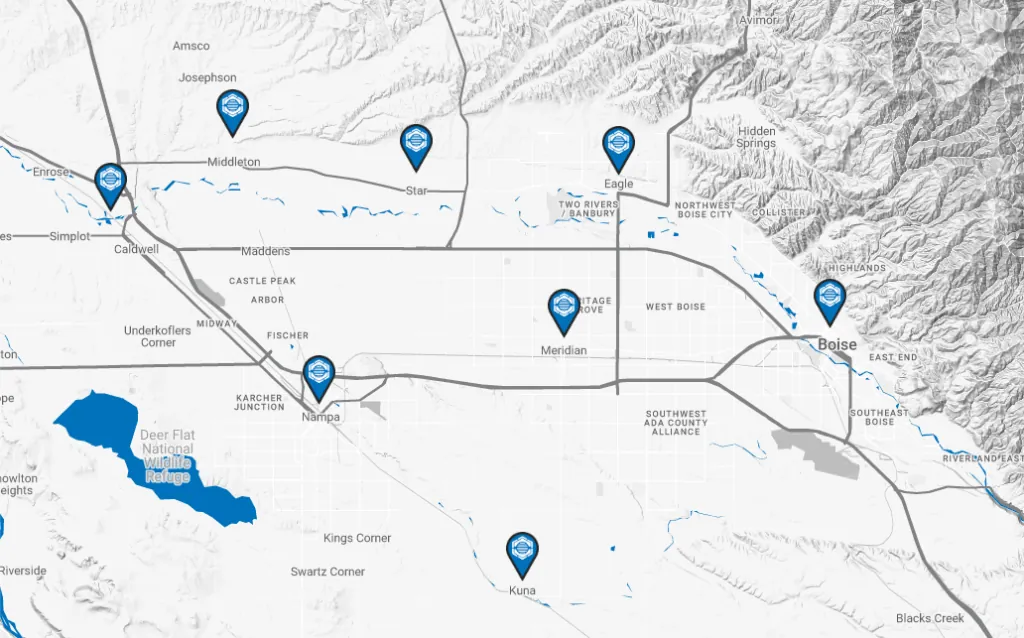
Serving All of Boise & The Valley
Our structural specialists are in Boise daily.
Boise Yard Drainage FAQ
Who should I call for drainage problems in my yard?
Will a French drain ruin my grass?
How much does yard drainage cost in Boise?
Can I do this myself?
Will this help my basement?
What Boise Homeowners Say
"Amazing job. My backyard was a mess, water was pooling everywhere. I was given a few different options to find the best solution for my needs."
"Dee and Chris were great. Added a drainage line away from the foundation and restored the lawn to original condition. Barely noticeable solution."
"Fast response, quality work and materials. Waiting on a heavy rain to test my new French drain. The company was a pleasure to work with!"
Why Choose Idaho Drainage Solutions?
Licensed & Insured
Fully licensed in Idaho (RCE-57554) with comprehensive liability coverage for your protection.
Prompt Scheduling
We respect your time. Appointments scheduled within 24-48 hours for most estimates and inspections.
Satisfaction Guaranteed
We stand behind our work with industry-leading warranties and a commitment to getting it right.
Local Expertise
We know Treasure Valley soil, water tables, and building codes better than anyone.
No-Surprise Pricing
Clear, upfront quotes with no hidden fees. The price we quote is the price you pay.
Free Consultations
Every project starts with a free on-site evaluation. No pressure, just honest advice.

0% Interest Financing Available
Flexible payment options for your drainage projects.
Related Services in Boise
PROTECT YOUR HOME
Don't let a small issue turn into a structural failure. Schedule your free estimate now.