
Relieve Foundation Pressure Before Structural Damage Spreads
Hydrostatic pressure is the force created when water accumulates in soil around and beneath a basement. In Idaho clay soils, that pressure can remain elevated for long periods, turning minor seepage into recurring damage if it is not actively relieved.
What Hydrostatic Pressure Does to a Basement
- Forces water through weak points: Cracks, cove joints, and utility penetrations become entry paths.
- Increases wall loading: Wet soil adds lateral stress that can bow or crack foundation walls.
- Accelerates interior deterioration: Moisture leads to mold risk, finish damage, and air quality issues.
Boise-Specific Drivers
Hydrostatic loading in the Treasure Valley is strongly influenced by climate cycles and irrigation patterns, not just isolated storm events.
- Clay shrink-swell behavior: Slow drainage keeps water near wall zones longer.
- Seasonal groundwater movement: Irrigation and runoff periods can raise local moisture conditions.
- Freeze-thaw transitions: Winter temperature swings alter soil structure and water pathways.
References: USDA Web Soil Survey, USGS water resources, and NOAA climate data.
Solution Matrix: Relief, Control, Stabilization
Pressure Relief
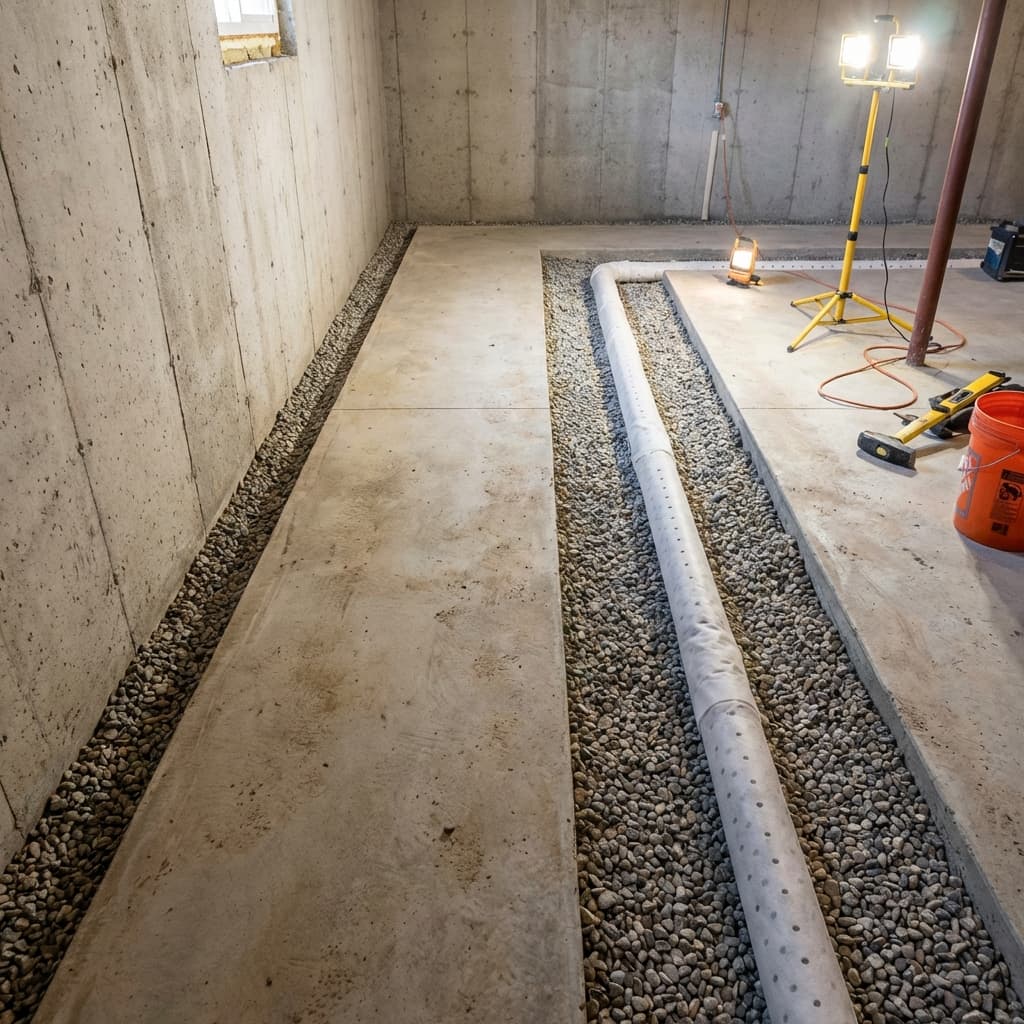
Use interior drain tile systems and sump discharge to lower water at footing level.
Load Reduction
Reduce exterior water volume with downspout routing and yard drainage.
Structural Protection
When movement exists, coordinate with foundation repair and wall stabilization systems.
When to Intervene
Intervene early when leakage is seasonal and predictable. Waiting for severe movement or repeated interior damage usually increases total project scope and cost.
- Early stage: Moisture staining, occasional seepage, humidity rise.
- Mid stage: Frequent leaks, wall cracking, finish damage.
- Late stage: Structural movement and broad interior reconstruction.
Regulatory and Discharge Considerations
Pressure relief systems must discharge correctly to avoid short-cycling water back into the same wall zone.
Guidance: City of Boise drainage guidance and Idaho DEQ stormwater resources.
Free Hydrostatic Pressure Evaluation
We identify pressure pathways, rank risk level, and design a staged solution that protects both structure and budget.
Common Failure Signs in Boise
Wall and Cove Seepage
Water entry lines appearing during storms, snowmelt, or irrigation season.
Bowing or Cracking Walls
Lateral pressure signs from wet backfill against below-grade walls.
Floor Moisture and Efflorescence
Moisture migration through slab and wall surfaces over time.
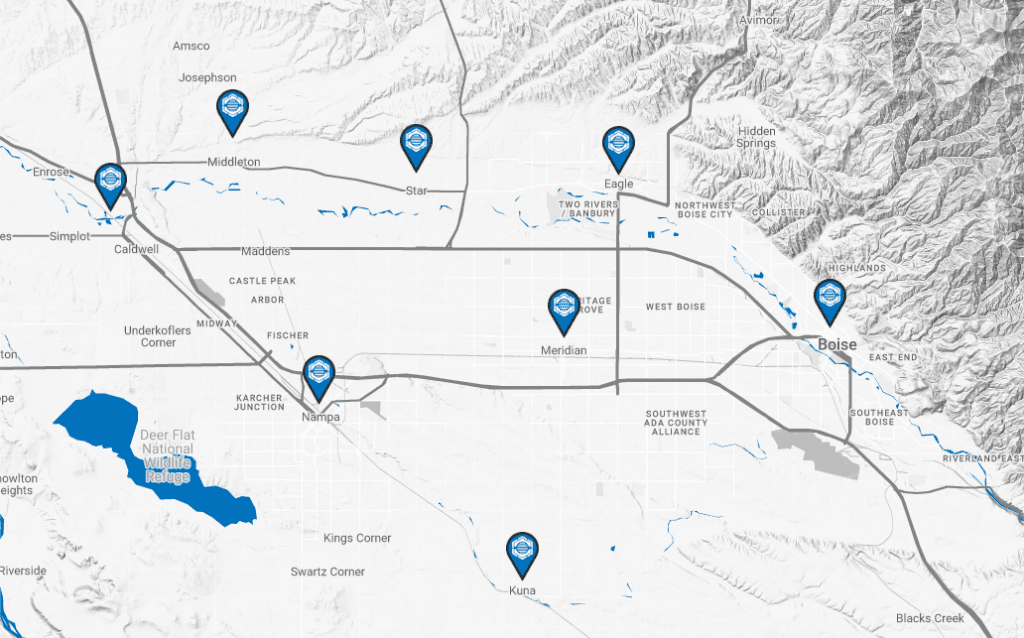
Serving All of Boise & The Valley
Our structural specialists are in Boise daily.
Boise Hydrostatic Pressure FAQ
Can paint or wall sealers solve hydrostatic pressure?
Is hydrostatic pressure always a structural threat?
What is the most common Boise fix?
What Boise Homeowners Say
"They explained why our leaks kept returning and built a full plan that finally solved it."
"Very technical and clear. We understood both the cause and the solution."
"Professional team with real engineering mindset, not guesswork."
Why Choose Idaho Drainage Solutions?
Licensed & Insured
Fully licensed in Idaho (RCE-57554) with comprehensive liability coverage for your protection.
Prompt Scheduling
We respect your time. Appointments scheduled within 24-48 hours for most estimates and inspections.
Satisfaction Guaranteed
We stand behind our work with industry-leading warranties and a commitment to getting it right.
Local Expertise
We know Treasure Valley soil, water tables, and building codes better than anyone.
No-Surprise Pricing
Clear, upfront quotes with no hidden fees. The price we quote is the price you pay.
Free Consultations
Every project starts with a free on-site evaluation. No pressure, just honest advice.

0% Interest Financing Available
Flexible payment options for your drainage projects.
Related Services in Boise
PROTECT YOUR HOME
Don't let a small issue turn into a structural failure. Schedule your free evaluation now.